
Van Buren Township City Directory Collections
The Belleville-area archive is the most direct stop for a Van Buren Township historical-directory search. Its online directories reach people, businesses, institutions, and places. Each scan still needs a locality check before it counts as township evidence. The library side of the collection adds newspaper microfilm, obituaries, cemetery listings, military material, and local-history books. Read together, these records can anchor a name or address in a dated community source. They cannot prove residence outside a publication year. They also cannot confirm where someone lives now.
| Collection | Years | Where held | Access |
|---|---|---|---|
| Belleville digital directories | 1921-1972 | DigiFind-It Belleville archive | Online keyword search and page scans |
| Belleville newspapers | 1929-2021 digitized; microfilm back to 1895 | DigiFind-It and Belleville Area District Library | Online scans or library microfilm |
| Belleville yearbooks | 1932-2025 | DigiFind-It Belleville archive | Online archive |
| Local special collections | Coverage varies by item | Belleville Area District Library | Staff assistance or onsite use |
Keep directory gaps visible in your notes. The digital run identified ends in 1972. Local sources do not show that every printed volume covered every township road. For a missing or later year, ask the library about a print volume, microfilm, or a related local paper before trusting an empty keyword result. An empty search is not an absence of record. The Belleville Area District Library Special Collections is the local-history route for newspapers, obituaries, cemetery listings, military records, and books on the area and its past residents.
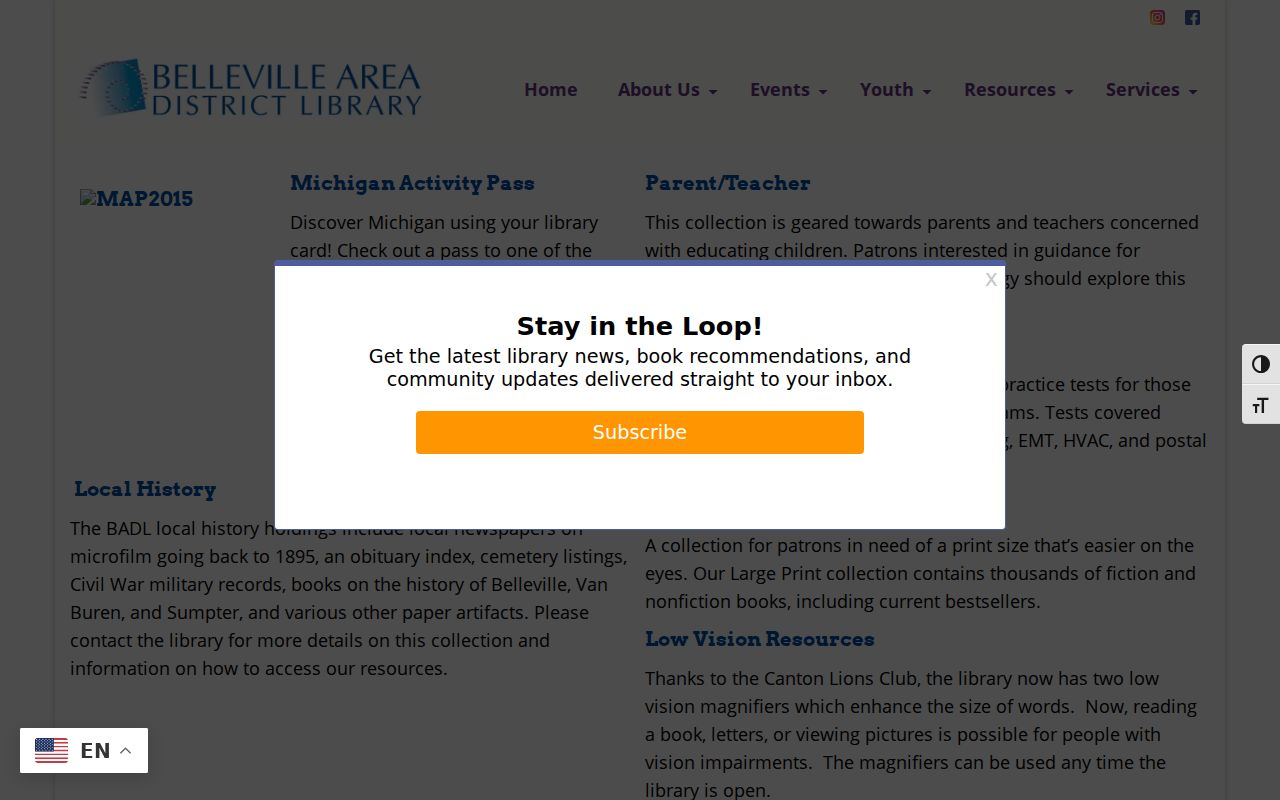
Library material gives the historical directory trail a local repository whenever an online scan falls short or a surname calls for a dated newspaper check. Van Buren Township researchers benefit from having that shelf nearby.
Van Buren Township Library Directory Shelf
The Belleville Area District Library serves Belleville, Van Buren Township, and Sumpter. Its special collections hold an obituary index, cemetery listings, Civil War military records, local-history books, paper artifacts, and local newspapers. The special collections include paper artifacts too. Local newspapers are part of the holdings. The library sits at 167 Fourth Street in Belleville. It lists 734-699-3291 for contact. Posted hours are Monday through Thursday from 9:30 a.m. to 9:00 p.m. Friday and Saturday hours run from 9:30 a.m. to 6:00 p.m. Sunday hours are 1:00 p.m. to 5:00 p.m.
Before using the microfilm, gather the surname, street, date range, and locality form you need. The microfilm reader sits in the tutoring room by reservation, the library reports. That detail matters when a directory entry points to a news notice or obituary. The entry may not answer the question itself. The Sumpter Media Center shares the same phone number. Confirm the special-collections scope with staff before making the trip.
Van Buren Township DigiFind-It Directories
The Belleville DigiFind-It archive is the practical first stop for a remote historical-directory search on Van Buren Township. Its cross-collection search accepts a surname, street, school, cemetery, business, organization, or place name. Try complete names and initials alike. OCR indexing can be imperfect. So open the page image and read the printed heading, address, and locality yourself. A result labeled Belleville may still be relevant to the township. Only a close read of the printed source settles it.
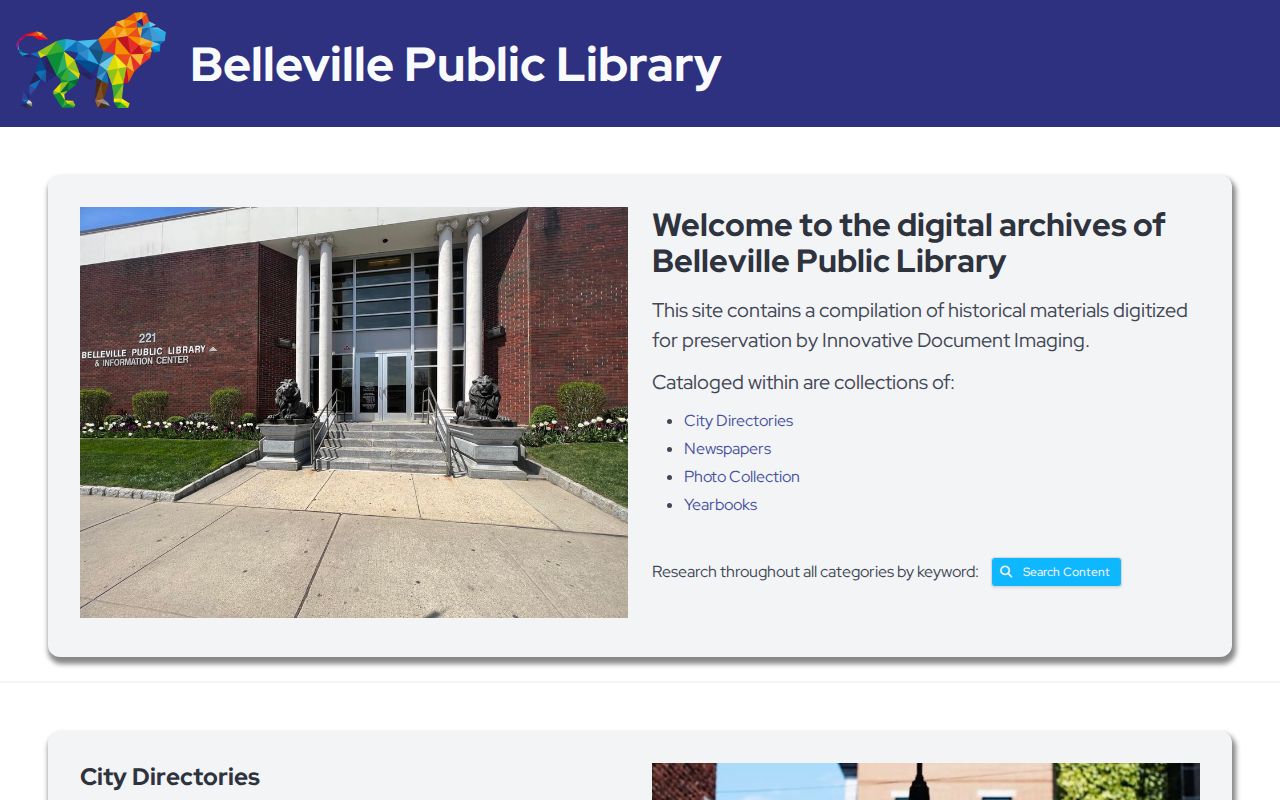
The digitized archive gathers the 1921-1972 directory run together with newspapers and yearbooks. That mix lets you test a name, address, and time period against more than one local source at once. The overlap is what makes it valuable for tracing past residents of Van Buren Township.
When a first search comes up empty, vary your terms. Try Van Buren, Belleville, Rawsonville, French Landing, Denton, township abbreviations, older street spellings, and initials. Then save the collection title, year, image or page number, printed name, and locality in a note. Keep those details together. That habit keeps a scanned mention distinct from a confirmed identity.
Van Buren Township Museum Directory Clues
The Belleville Area Museum supplies a physical archive layer that printed directories rarely carry. It occupies the Old Township Hall, built in 1875. Exhibits and archives there cover the linked histories of Belleville, Sumpter, and Van Buren Township. The museum opened at Old Quirk School in 1989. It moved to the Old Township Hall in 1995. Contact curator Mary Utz first. Do not assume a photograph, artifact, or family file can be searched by name.
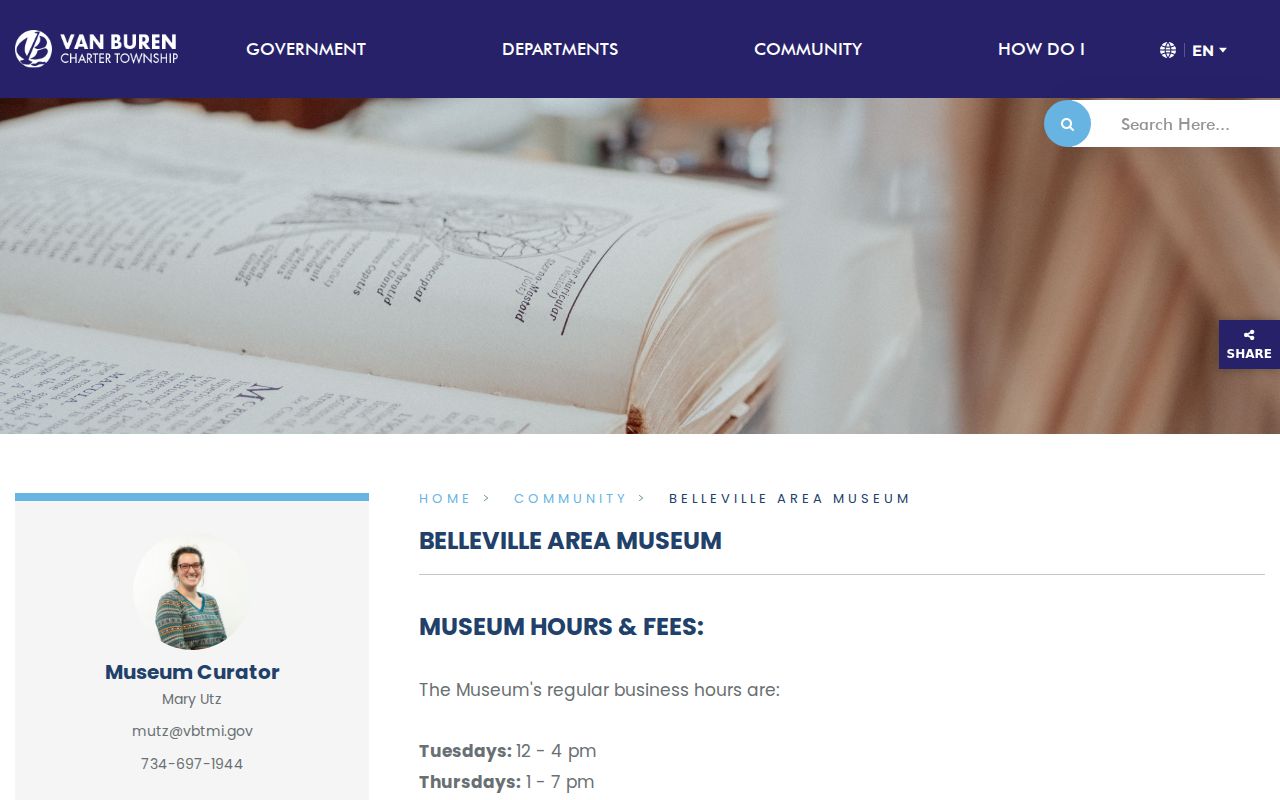
The museum offers place and community context for a printed directory entry. The scan and its date remain the actual evidence for the entry itself. Regular museum hours are Tuesday noon to 4:00 p.m. The museum is also open Thursday 1:00 to 7:00 p.m. and Saturday 10:00 a.m. to 4:00 p.m. Admission is free, with a suggested $5 donation. An archive visit helps most when an address or family sits near the river, Belleville Lake, French Landing, or another local place label. That label may fail to match a modern municipal name. Older labels are common in Van Buren Township records. A curator can often map them to the right ground.
Reading Van Buren Township Directory Entries
A printed directory entry is a dated observation, not a complete profile. The Library of Michigan directory guide notes that Polk volumes typically carry a surname or household section. Street entries come ordered by street and house number. The volumes also include telephone listings and classified business pages. Bresser or criss-cross volumes shine when the address is the known starting point. Record exactly what the page prints. Then keep that entry separate from later evidence. That later evidence may come from a census, deed, obituary, or newspaper.
| Printed name | Use the spelling and initials shown on the page. |
|---|---|
| Address | Note the house number, street, and whether the heading is city, township, or rural route. |
| Occupation or business | Record it only when the entry actually prints a descriptor. |
| Telephone detail | Preserve a symbol or number only when it is printed in the source. |
| Page citation | Keep the publication title, year, and page or image number with the finding. |
- Criss-cross directory
- A directory arranged by street and house number, useful for finding the printed entry associated with an address.
- Household section
- The surname-oriented portion of a directory, usually the best first route when only a name is known.
- Abbreviation key
- The volume's own explanation of shortened labels and symbols. Capture it before interpreting an unfamiliar mark.
Note: A directory line with a date can anchor a person in a place and time, but it cannot by itself prove ownership, kinship, or current occupancy.
Van Buren Township Directory Timeline
Old place names complicate any Van Buren Township directory search. Wayne County traces the settlement called Snow's Landing in 1800. A West Huron post office opened in 1834. Van Buren Township itself formed the next year. The post office moved to Rawsonville in 1838. Belleville was platted in 1847, and Belleville became a separate village in 1905. The Wayne County community history lays out this township and Belleville timeline in full.
Because of these shifts, one household can appear under several different locality labels. This can happen across directory volumes. The family may not have moved at all. Reading the label against the county timeline keeps an old West Huron or Rawsonville reference from being mistaken for a different town.
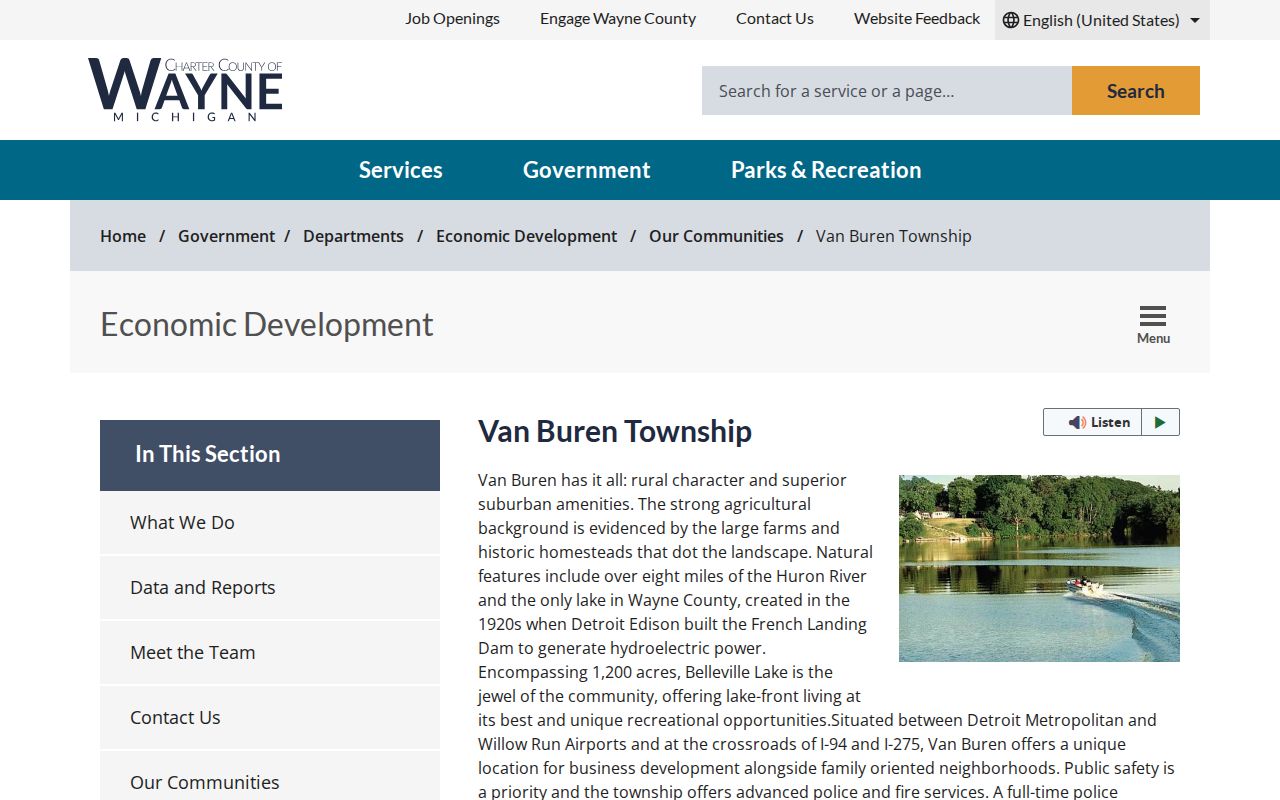
That county history is the practical key to telling an old West Huron, Rawsonville, or Belleville label apart from the current Van Buren Township jurisdiction.
- 1834: West Huron received a post office.
- 1835: Van Buren Township was formed from part of Huron Township.
- 1838: the Van Buren post office moved to Rawsonville.
- 1905: Belleville separated its governance from the township.
- 1921-1972: the identified Belleville digital city-directory run provides a local printed trail.
Tracing Van Buren Township City Directories
Trace one household in date order rather than stacking names into an undated list. Start with the first directory year that carries the surname or address. Then read the next available entry. Note what changed, whether spelling, address, business description, or locality label. A apparent move may be real. It can also stem from a redrawn boundary or a rural-route convention. The cause may even be an incomplete scan or a volume that simply skipped the township road. Comparing consecutive years separates an actual relocation from a publisher's quirk.
- Find the earliest available name or street entry and save its full citation.
- Check later directory years for the same spelling and plausible variants.
- Use a criss-cross or street section when an address needs a second check.
- Pair each directory period with the relevant census year and preserve both source dates.
- Use an obituary, cemetery listing, or newspaper only as a separately cited follow-up record.
A name dropping out of a directory can mean a move, a death, a changed listing practice, or a coverage gap. Treat it as a lead, never a conclusion. When the question shifts to a current parcel or street record, the Van Buren Township streets resource offers the address-keyed record path instead of repeating the historical shelf.
Van Buren Township Cemetery Directory Leads
Four township cemeteries can serve as end points for a historical directory trail. They are Denton, Otisville, Soop, and Tyler. The township clerk's cemetery page covers their locations, forms, burial scheduling rules, and a plot-map route. No public interment-name database exists. When a directory or obituary points to a likely cemetery, contact the clerk or turn to the library's cemetery listings. Keep any burial record separate from a claim about a former address.
The clerk handles burial scheduling through its office. BADL's local collection can supply newspaper, obituary, or cemetery-listing leads of its own. Record the cemetery name, the source date, and the exact form of the person's name. Do this before linking the find to a directory entry. A plot map may clarify the record route. It should not be used to infer a household address, a relationship, or anything about a living person.
Note: Cemetery names are strong locality and family-history leads. But a burial or plot record does not establish where a person lived in any other year.
Van Buren Township Public Notice Records
Dated public notices can anchor a community in time. They should not be stretched into claims about individuals. Wayne County Commission material from October and November 2025 recorded a proposed agreement. That agreement covered Lake House improvements. The township held a November 2025 public hearing. It concerned an amendment to its Downtown Development Authority plan. Township notices in 2026 also covered construction, parks input, bridge work, and development updates. Each item documents a public process or project, not a completed outcome, unless later official records confirm it.
Use the Van Buren Charter Township news and notices route to locate the dated municipal post. Then preserve its publication date and status. A notice can help date an organization, place, or neighborhood term found in a directory. It cannot prove that a named person attended an event, lived nearby, or was affected by the project.
Van Buren Township Directory Source Limits
Directory, museum, library, and newspaper findings each answer historical questions differently. Township-created records follow their own custody and access rules. Some municipal records are not published online. For those, the clerk coordinates a written Michigan Freedom of Information Act request. Police records run through a separate records and FOIA channel. The online non-emergency form is not monitored around the clock. It never substitutes for an officer report. Keep any request narrow by naming the record type and the date range.
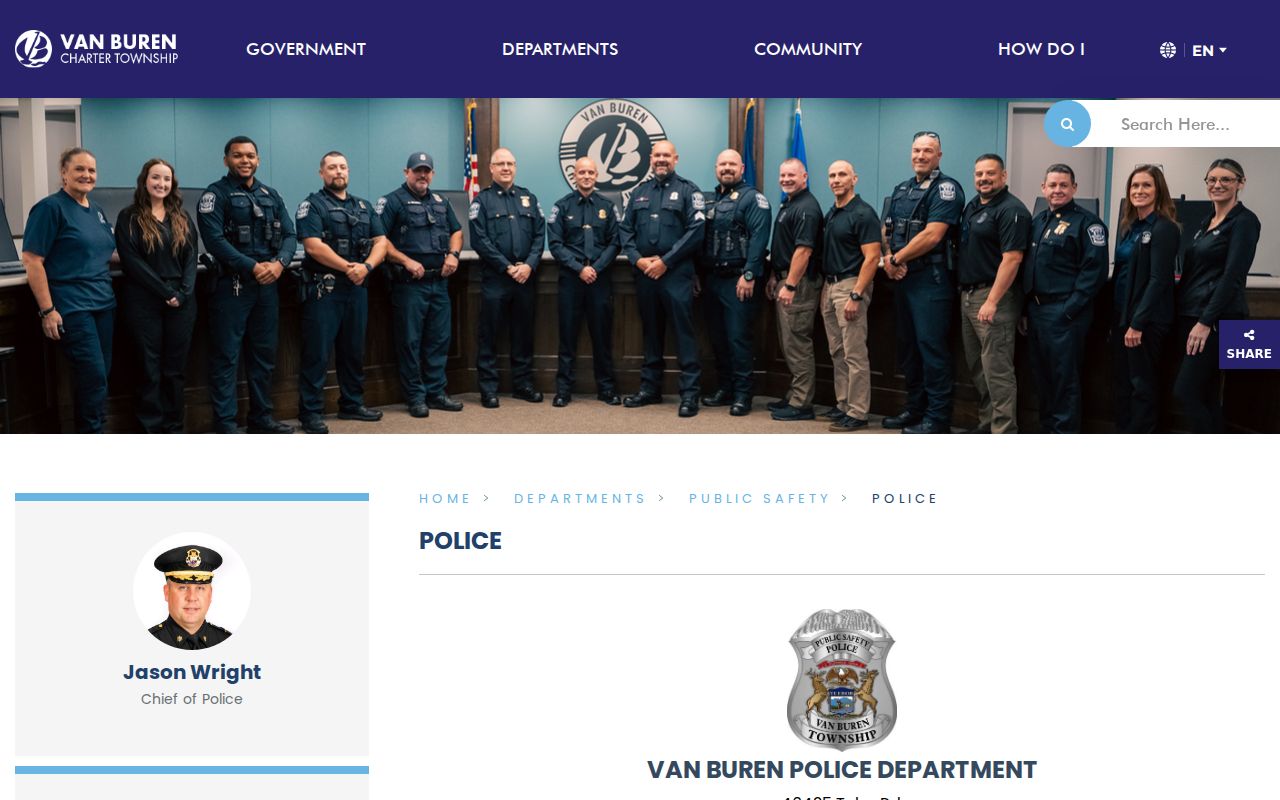
The Van Buren Township police page identifies the separate public-safety records route. It also lists the non-emergency contact information.
A historical directory entry should stay attached to its source date rather than being stretched into a current-person claim through an unrelated municipal record.